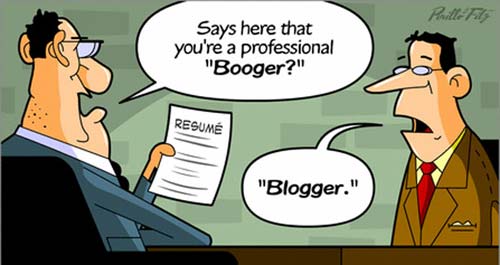
Working as a writer and an editor means that words have become a big part of my life. Hence, I’m afraid to say how appalled I am by the amount of spelling mistakes and poor grammar that I regularly see on websites and in correspondence. Yes, not everyone is good at languages, but how hard is it to use spell check – especially when you’re writing in a professional capacity? Or, are people just so busy and stressed, these days, that they simply don’t have the time or energy to reread their messages before they hit send?
Of course, while spelling mistakes and poor grammar often cause me to query a person’s intellect and ability, there are times when these errors put a big smile on my face and I can’t help seeing the humour in it. Here are some spelling mistakes that I’ve picked up in my industry:
- Low flat options for the health conscience (low-fat options for the health conscious)
- Coco-cola (Coca-cola)
- Blue-ship shares (blue-chip shares)
- Cannot Supperdogs portfolio (Cannon Superdogs portfolio)
The truth is I am more forgiving when English is not a person’s first language. Then, I entirely understand if you’re prone to mistakes. However, when someone claims that English is their first language and they can’t speak it, never mind write it, then you have to wonder. Here are some things I’ve heard from supposedly English people, which are just too hilarious for words:
“I have to go fetch my husband’s pantses from the dry cleaner. He needs his pantses for work.”
Pantses? Really! Since when did the plural of pants become pantses? That’s new – and it’s almost worse than the Afrikaans expression of wearing a ‘jean pant’.
“We must get constructive critic from him.”
“I just want to give you some positive critic.”
I know I’m being a critic, but you really need some constructive criticism.
“Make it finished first.”
In other words, finish making your coffee first and then we’ll talk about your grammar.
“I know I can be obstropolous.”
Yes, it sounds very intelligent when you use big words, but I think the correct word you were looking for is obstreperous – which, incidentally, is such a big word hardly anyone uses it or knows what it means.
“I can hear you are in the car, but it is not hurting my understanding of what you are saying.”
That just hurts my ears!
“I just wanted to steal her brains quickly. Now, I’ll have to read the textbook.”
Wow! I’m glad you’ve never tried to steal my brains, although I can see why you might need to. Of course, you are always free to pick my brain if you want some assistance.
“She was conscience when I left.”
I’m sure she has a conscience, but it has nothing to do with her being conscious.
“You decantor it.”
Great slang, but I’m not sure you can decantor anything. You can, however, decant it into a decanter.
“I’m tired of being an invali.”
Also cute slang, but ‘invali’ is not a real word as this person innocently presumed. However, being an invalid, we’ll excuse the mistake.
“There were lots of plagues on the walls.”
Or, is that ‘plaque’? Plague/plaque – close enough! What difference does it really make?
“How big is a milligram? That’s smaller than a gram, right?”
I’m pretty sure the ‘milli’ part is a dead giveaway there and answers that question, but English is a tricky language after all, so it’s always best to check these things.
Naturally, I may just be spitting hairs here, but I do love it when people’s English is so delicious that they scrabble their words. They should really try to wreck their brains a bit more and host their dictionaries off the rack from time to time. Then maybe our use of language will have a frightening chance.


Leave a Reply